Nov 8, 2026 · 2 min read
The Feynman test
There’s an old piece of advice attributed to Feynman: if you can’t explain something simply, you don’t really understand it. The way we get answers has changed, and I’m not sure the way we check them has kept up.
What changed
Every generation has had a faster way to find things out. Libraries and encyclopaedias gave you the material, but you had to find the right page and work through it. Search engines found the page, but you still had to read it. Each step removed some of the effort, and the understanding formed in whatever effort was left.
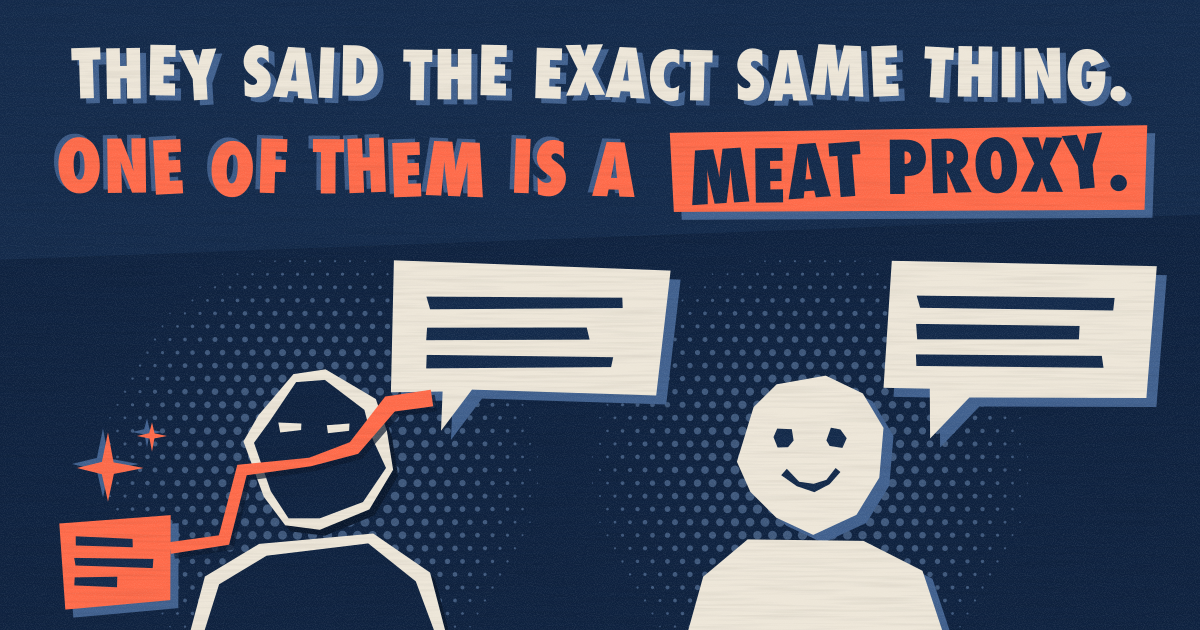
Agents remove the last step. You ask, and a clean, confident, usually correct explanation shows up in seconds. You can paste it into a doc or say it in a meeting, and most people can’t tell whether you understand it or are just a meat proxy for the model. Someone who understands the subject can, because the relayed version falls apart at the first real question.
The test
My version is rubber ducking, but for understanding rather than debugging. I close the chat window and explain it to someone in my own words, with an example the model didn’t give me. If I can also say what would change when one of the assumptions is different, I probably understand it. If I can’t, I find out within a sentence or two.
Why it matters more now
Models are sometimes wrong, and they’re wrong in the same confident tone they use when they’re right. If you don’t understand the subject, you have no way of knowing which one you just got.
When answers are cheap, the value moves to asking the right question and judging what comes back. Both need understanding.
Most of an engineer’s work is explaining anyway: to the team, to a reviewer, to whoever reads the doc next year. A model can write a lot of the code now, but someone still has to explain why this approach was chosen and where it’s likely to break, and that someone has to understand it.
Where that leaves us
I use these tools all day and I’m not going back. The question is which parts of the thinking I’m still doing myself.
So the loop I try to keep is: ask, read, put it down, and explain it back without looking. Wherever I get confused is the next thing to ask about.